Acting Around Change: How Psychology and Drama Transform Lives in Youth Justice
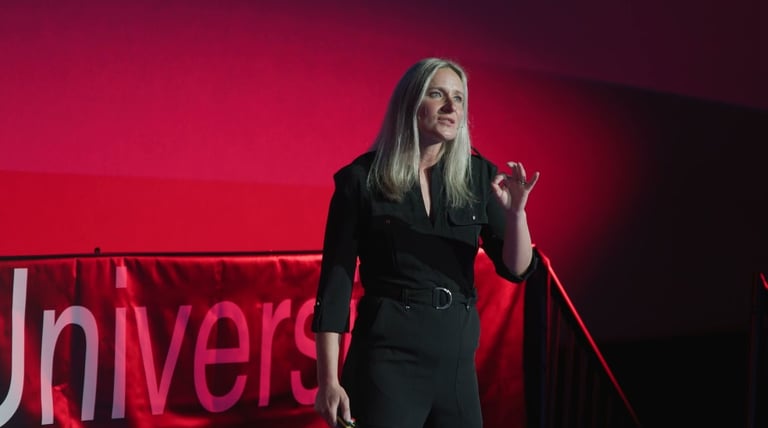
How can drama help people who are caught in the youth justice system feel safe? Forensic psychologist Dr Daniela Varley shared her inspirational approach on how psychological theory and creative drama practice can help young people process chaotic situations they have faced.
PSYCHOLOGYINSPIRING STORIESFORENSIC
2/28/20264 min read
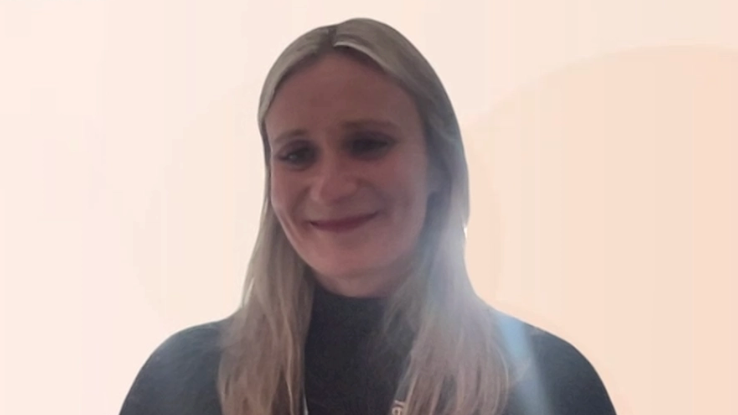
What if crime isn’t the beginning of someone’s story, but instead the result of the last chapter of unprocessed trauma? In a powerful talk at the Psychology Careers Festival, forensic psychologist Dr Daniela Varley showed how creativity, not confrontation, can unlock real and lasting change in young people caught in the justice system.
Psychology Meets Drama to help people feel safe
At this year's British Psychological Society Festival, Dr Daniela Varley shared her experiences of fusing drama with psychological theory to help young people feel safer to unpack what they have experienced.
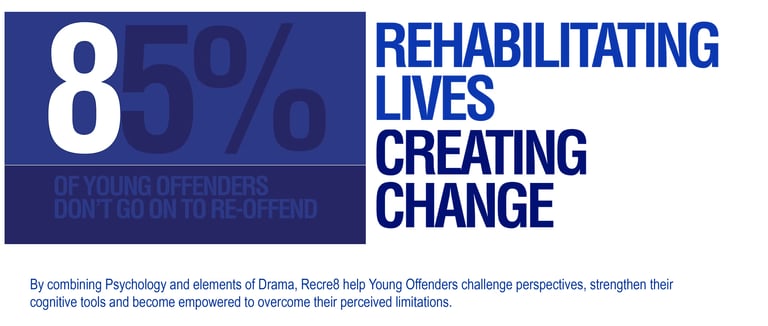
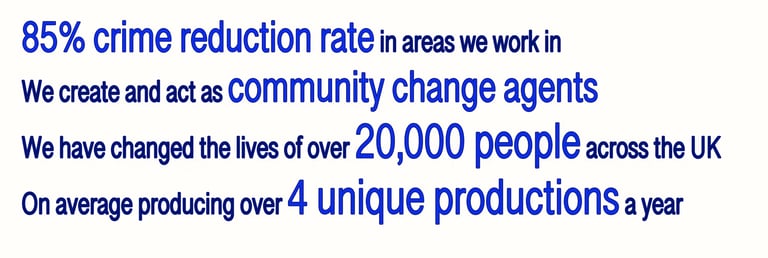
Dr Varley is a forensic psychologist and founder of Recre8, an organisation that works with young people in prisons, schools, and the youth justice system. She doesn’t just talk about trauma. She helps young people rehearse change through drama.
And one simple exercise brought the message home. At the start, she asked us to fold a piece of paper every time we’d experienced something difficult - having ever experienced any bullying, loss, fear, not feeling not good enough. By the time everyone's paper unfolded it, everyone's sheet was creased and marked. For some people, each crease relates to how we see the world.
"We all have folds, but most of us were taught how to cope with them. Some young people never were."
This was a thread running through everything she shared.


10 Key Takeaways
1. Young people in the justice system are not necessarily "hard to reach".
It can be much harder to feel safe. When your life has taught you that vulnerability is dangerous, trust isn’t automatic. It is more likely to be earned slowly.
2. Behaviour is often unprocessed trauma in disguise.
Aggression and defiance can be a mask for fear, grief, and shame. Dr Varley shared "What looks like violence can be trauma looking for language".
3. You can’t reflect when you’re in survival mode.
When the nervous system is constantly scanning for threat, self-reflection isn’t accessible. Safety must come before change.
4. Sometimes psychology isn’t wrong, yet not delivered in the best way for the person being cared for.
Traditional approaches often rely on talking. But for some young people, talking has never been safe. So we need different doors in.
5. Drama creates distance, and distance creates safety.
Through becoming characters and storytelling, people can explore anger, fear, grief, and loss without directly exposing themselves. It can help with distancing, lowering feelings of shame, while increasing honesty.
6. The body remembers what the mind avoids.
Trauma is not just a memory, it can live in posture, breath and muscle tension. Drama can help because it engages the body directly. Young people are not just speaking about new behaviours... They are physically rehearsing and embodying them.
7. Not everyone needs rehabilitation, sometimes people need recreation.
Rehabilitation means "to return". What if there was never a safe past to return to? Dr Varley’s model focuses on helping young people create who they can become, not go back to who they were.
8. Control is often protection.
One case study involved a girl labelled "manipulative." What professionals saw as resistance was actually her reclaiming control over her story. Sometimes confidence is armour.
9. People who aren’t allowed to feel fear may only have one language left: aggression.
One young man always volunteered to play the aggressor in drama exercises — until he was asked to play the vulnerable role instead. For the first time, he said: "That’s what it feels like all the time." It wasn’t anger. It was fear.
10. Change happens when someone feels seen and not just told what to do.
None of the young people changed because someone demanded it. They can change because these psychology-informed practices met them where they were, through creativity, safety, and storytelling.
Psychology applied through drama
Psychology doesn’t just live in textbooks. It lives in our bodies, silences, behaviour and stories.
Risk theory explains behaviour.
Trauma theory explains patterns.
Desistance theory explains change.
Yet creativity is what makes those theories work in real life.
Often systems focus on the paper creases (the behaviour) rather than what folded the paper in the first place, also potentially beyond the justice system.
Curious for more?
You can hear more from Dr Daniela Varley via instagram @recre8now and on LinkedIn.
You may also wish to see her TEDTalk:
"How do the arts impact our communities?"
It boosts that change doesn’t always begin with punishment. It begins with safety.
Where in your life could a creative outlet help someone feel safer or more understood?
More information on her organisation Recre8 can also be found here.
They share insights, training opportunities, and research into trauma-informed, creative approaches within the youth justice system. Plus they sometimes release films of the creative projects themselves.